Heating · Kingman · November 2, 2026
Winter Thermostat Settings for Kingman Homes: Save Without Overworking Your System
Cold nights are here in Kingman, and the thermostat is the one part of your heating system you touch every day. A few settings make a real difference on your winter bill and on how hard your furnace or heat pump works. Here is what we tell customers, plain and simple.
(928) 565-6440Start with one steady number
The thermostat setting that saves the most is the lowest one your household is comfortable with, held steady while you're home. Every degree lower means the system runs less. Most people end up somewhere in the upper 60s during the day, but there's no magic number. If the house feels fine at 67, there's no reason to sit at 72.
What wastes energy is chasing the temperature. Cranking the thermostat to 80 doesn't heat the house any faster. A furnace or heat pump puts out the same heat whether you ask for 70 or 80. It just keeps running longer and overshoots. Set it where you want it and let it get there.
Setbacks: gas furnace vs. heat pump
Turning the heat down at night or while you're at work is where the real savings come from. How far you can go depends on what heats your home.
- Gas or propane furnace. A furnace handles setbacks well. Dropping it several degrees overnight or while the house is empty is fine. It warms back up quickly when you come home.
- Heat pump. Go easy. A heat pump warms the house gradually. If it's set back a lot and then asked to recover fast on a cold morning, many thermostats bring on the backup electric heat strips to help. Those strips cost more to run than the heat pump itself, so a big setback can cost you money. Keep setbacks small, or use a thermostat with adaptive or smart recovery that starts warming early and keeps the strips off.
- Dual-fuel (heat pump plus gas furnace). The thermostat decides when to switch from the heat pump to the furnace. If that changeover point was never set for your home, it may be switching at the wrong time. We covered how those systems work in dual-fuel heat pumps with propane.
Program it once, then leave it alone
A programmable or smart thermostat only helps if the schedule matches your life. Take ten minutes this week and set four blocks: wake up, leave, come home and sleep. If someone is home all day, skip the "leave" setback. If you're a snowbird or travel over the holidays, set a vacation hold low enough to save money but high enough to keep the house and plumbing safe on freezing nights. Don't shut the heat off completely in an empty house in winter.
Also check the basics while you're there. Make sure it's set to Heat, not Auto changeover that might kick on cooling on a warm afternoon. On a heat pump, make sure it isn't sitting on Emergency Heat. And if it runs on batteries, put fresh ones in now so the screen doesn't go blank on a cold night.
Fan on Auto, not On
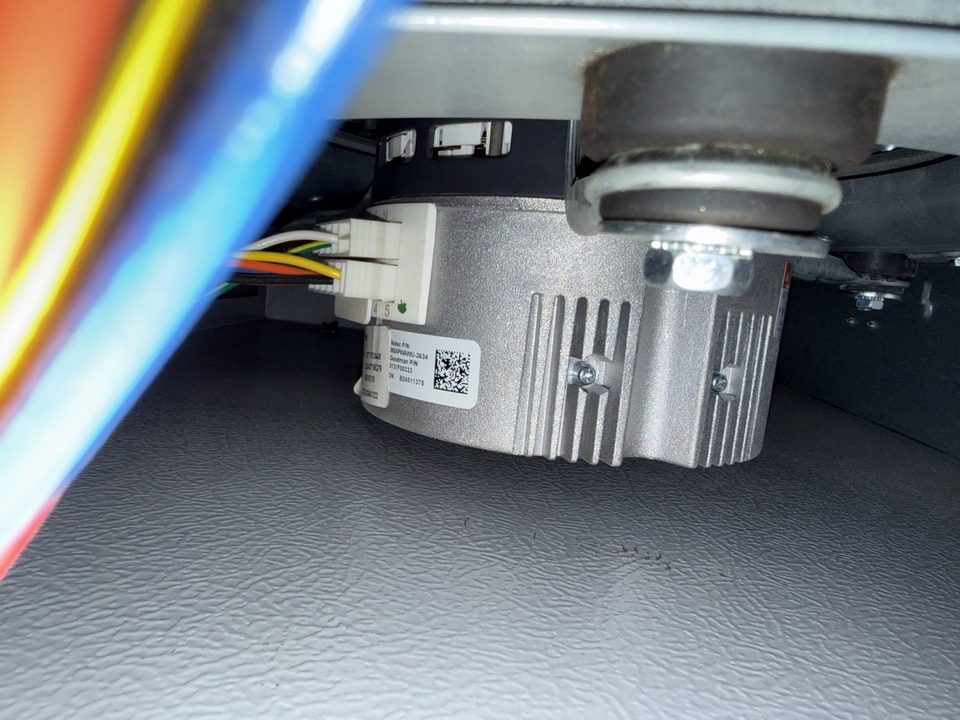
For most homes, the fan should be on Auto in winter. The blower runs while the system heats, then stops. On "On," it keeps running between cycles, which moves room-temperature air through the vents and can feel like a draft. It also keeps the blower motor running all day. Some households with allergies or a whole-home air cleaner run the fan more on purpose, and that's a reasonable choice. Just know the tradeoff.
Why the Kingman climate matters here
Kingman sits at about 3,300 feet. Winter days are often mild, and nights regularly drop below freezing. That big swing between afternoon and night is why a good schedule pays off here. The house can coast through a sunny afternoon with little or no heat, then needs steady heat after dark. A thermostat set to one number around the clock misses that.
Dust is the other Kingman factor. A packed filter makes the system run longer to hit the same setpoint, so no thermostat setting will make up for it. Check the filter monthly in heating season and change it when it's gray.
When the thermostat isn't the problem
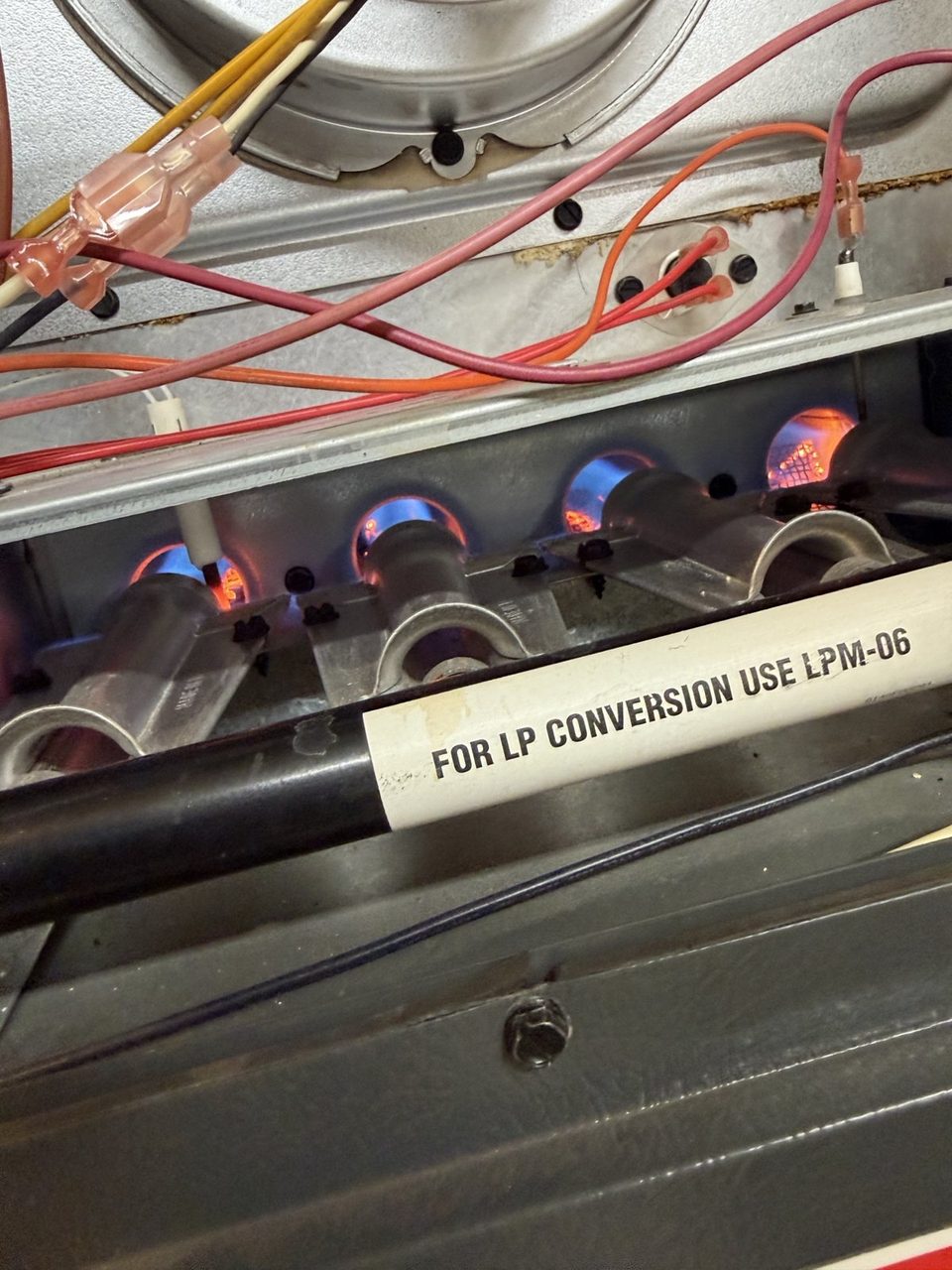
If the house never reaches the setpoint, the system runs nonstop, or one room is always cold, the thermostat is usually just reporting a bigger problem. That can be airflow, ductwork, a heat pump low on refrigerant, or a furnace that isn't burning right. A thermostat mounted on an outside wall, in direct sun, or near a kitchen can also read wrong and short-cycle the system. We can check placement, wiring and calibration, and look at the equipment behind it. See our heating repair page for what we work on, or furnace repair if you heat with gas or propane. If you heat with a heat pump and it's running hard with little warmth, start with heat pump blowing cold air.
If the system is old enough that it struggles every winter no matter how you set it, we can walk you through furnace and heat pump replacement options. Financing is available on approved credit.
Get the equipment ready too
The best schedule won't help a furnace with a dirty flame sensor or a heat pump with a clogged coil. Our seasonal tune-up is $69 (normally $79) through December 31, 2026, and we'll check the thermostat while we're there. Here is what a fall furnace tune-up covers, and our maintenance plans if you'd rather have it on the calendar every year.
Common questions
What temperature should I set my thermostat to in winter? Whatever is comfortable for your household, held steady while you're home. Most people land in the upper 60s during the day and a few degrees cooler overnight. Every degree you drop the setpoint is less run time, so pick the lowest number that still feels good.
Should I turn my heat pump down at night? Only a little. A big setback on a heat pump can trigger the backup electric heat strips when it recovers in the morning, and those cost more to run than the heat pump. Small setbacks or a smart thermostat with adaptive recovery work better.
Should the fan be on Auto or On in winter? Auto for most homes. On Auto, the blower only runs while the system is heating. On, it keeps moving air between cycles, which can feel drafty and runs the blower motor all day.
When should I use Emergency Heat? Only when the outdoor heat pump has failed or is iced over and can't recover. It runs the electric strips by themselves, which keeps the house warm but costs more. If you need it, call us so it doesn't become the everyday setting.
We're a veteran-owned company based in Kingman, serving Kingman, Golden Valley, Bullhead City, Lake Havasu City and the rest of Mohave County, plus Prescott and Prescott Valley. Questions about your thermostat or heating? Call (928) 565-6440, or text (928) 227-8441 and we'll get back to you.
Straight answers, no surprises
You'll know the price before we start.
You get the service call price on the phone, before anyone heads your way. The diagnostic is credited toward the repair when you approve it.